

Startup Idea Development
Startup Idea Development
Do you have a supernatural intelligence idea that in the end you only have to go to the last stage because you have no idea how to take your startup idea to the next level? Well, here is a step-by-step guide to help you get started, to develop your startup ideas.
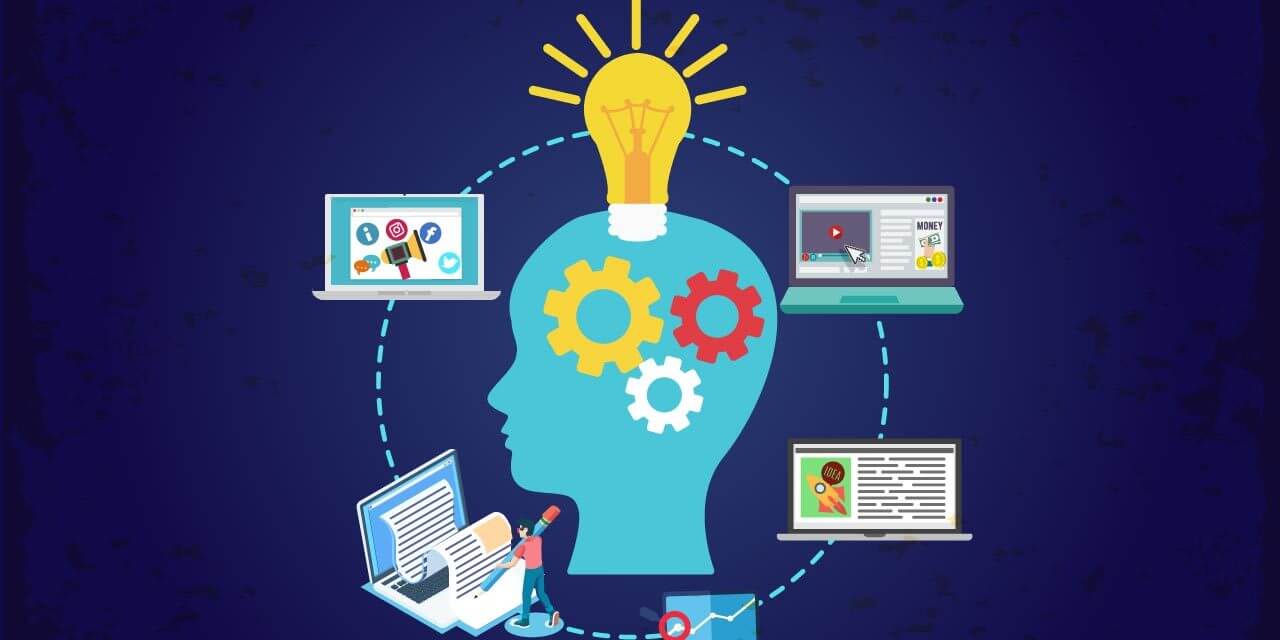
1. Think and analyze the relevant market
First of all, use the market corners where your startup ideas apply. What are the needs of the industry and its customers? Are there any unresolved issues facing the industry? Is your starting idea bringing resolutions and enhancements to the situation? Ask industry-specific authority sites to keep up to date with the latest trends. We share the latest news in the tech world. It profiles new startups and provides a summary of newcomers to the market.
2. Write down your ideas and expand them
At this point, you may need to make improvements in that area. Record them with a tool like Evernote. Evernote allows you to save lots of clips of sites, images and even attached documents and PowerPoint slides. You will create a lot of notes and type consistently according to the subject and style. Evernote is often accessed from a variety of platforms, such as Windows, iOS and Android. Easy click on the sync button has synced your notes across all platforms.
3. Competitive. Do competitive analysis
Competitive analysis can be a great way to compare and predict how your business will grow against competitors in your industry. Is your business ready to fill the void left by others? Here's how to set up your competitive analysis:
4. Model your business
If the thought of creating a business plan seems too tedious and difficult, you will enjoy using Lincanvas and Canvanser. They are templates that mimic a 1 page business model. This model is easy to feature and update. You can also get a transparent overview of the next nine buildings of your business model: customer segments, value proposition, channels (reaching out to bent customers), customer relationships, revenue streams, main sources, value-making activities, key partners, and pricing.
5. Create / Design / Test your mockup after drawing
Gone are the days where you had to draw on the whiteboard and scribble everywhere. Online tools like Balsamic and Framebox allow you to create wireframes and export them in many formats like JPG or PDF. There are many buttons or elements of the internet application to keep you steady so that you can easily put your sketches together. Want feedback on unnecessary interruptions and clutter in your mockup sense? Thanks for the effects app. You will upload your design in various formats and assimilate the remaining documents to complete the presentation. You will then share the final mockup by simply sharing the URL with your URL and can only provide feedback by commenting on the exact elements of that plan. It's that simple!
Enquiry now for Startup Idea Development, get Quote
6. Survey the market
There is no need to start a business without implementing a market survey. Websites like Survey Monkey allow you to create web questionnaires and send URLs to your target audience. It transcends geographical boundaries which is a big advantage over on-field surveys because you get a broader, global perspective. Another option is to organize attention group sessions before or after the completion of your least viable product. Most of the time you invite people from your target demographic to attend a conference on products or services. The Laksh Group can help you achieve the following:
Check the customer's first impression of the pack buyer or service-supported packaging and marketing campaign
Gathering real-time customer feedback on the pros and cons of products / services
Marketing Tweak your marketing strategies and optimize your product before final marketing
7. Develop your final product
The next step is to implement the tweaks and adjustments needed to make the final product. At this stage, there are several project management software to help you maintain the progress tab. The template is divided into different phases (or boards) where individuals are often assigned to different departments. Tasks are often moved from one stage to another, e.g. From backlog to work approval. It provides a really clear picture of the progress of each project segment and what needs to be done.
8. Collect customer feedback and measure your business results.
There are many uncertainties in some business but what if you get answers to burning questions when you are not doing as expected? We help you reach your audience. You will install and visit your website